If your site is young and your Domain Rating is still close to zero, resource page link building is one of the few tactics that can earn real editorial links without a budget for sponsorships or risky paid placements. The idea is straightforward. Across almost every niche there are pages built for one purpose only — to point readers toward the best tools, guides and references on a topic. Getting your page added to those lists is a clean, defensible way to build authority, and it is exactly the kind of natural link that search engines reward (which is also why backlinks remain critical for SEO even as ranking systems evolve).
This guide walks through the full process — what these pages are, why they still work after Google's 2026 updates, how to find and qualify them, and how to pitch in a way that actually gets a reply.
What Resource Page Link Building Actually Is
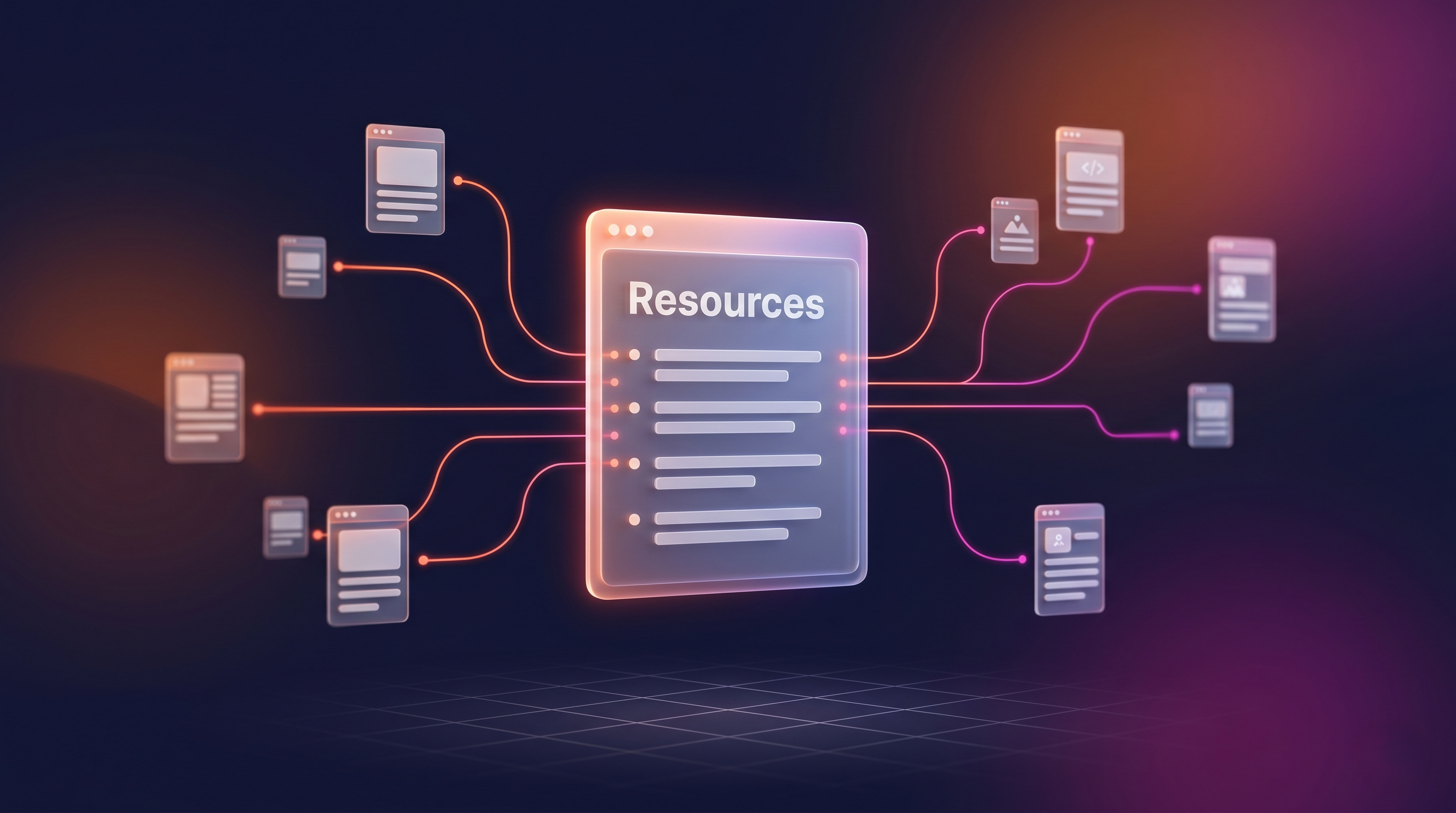
Resource page link building is the practice of earning backlinks from curated pages that exist to list helpful resources for a specific audience. You have seen these pages many times: titles like "Useful Links", "Recommended Tools", "Helpful Resources for Beginners" or "Further Reading". A teacher might maintain a page of study references, a non-profit might list partner organizations, and an industry blog might keep a running list of the best guides in its field.
Because the entire point of the page is to send visitors elsewhere, the owner is far more open to adding a new link than a typical blogger would be. You are not asking for a favor that conflicts with their interests — you are offering to make their page more complete. That alignment is what makes this tactic so accessible for sites that have not yet built a strong backlink profile.
Why Resource Pages Still Work After the 2026 Core Update
Google's March 2026 core update pushed the same direction the algorithm has been heading for years — rewarding relevance, genuine expertise and original value over raw link volume. That shift is good news for resource page link building, because a link from a tightly related resource page is a contextual, editorially placed endorsement rather than a manufactured signal.

Google's own guidance has long made the distinction clear: links are legitimate when they appear naturally within relevant content and unhelpful when they are bought or mass-produced. You can read the current position in Google's spam policies documentation. A resource page link sits firmly on the right side of that line, which is why it has stayed effective while low-quality tactics keep getting filtered out.
The core principle
You are not trying to trick a page into linking to you. You are creating something genuinely worth listing, then making it easy for a curator to find and add it. Everything below is built on that idea.
How to Find Resource Pages Worth Targeting
The fastest way to surface resource pages is with search operators. Combine a topic relevant to your content with phrases that resource pages commonly use in their titles or URLs. Open Google and try variations like these:
- "keyword" + inurl:resources
- "keyword" + intitle:"useful links"
- "keyword" + intitle:"helpful resources"
- "keyword" + "recommended tools"
- "keyword" + inurl:links.html
- "keyword" + "further reading"
Swap "keyword" for the actual topic of the page you want to promote. If you run a piece on email marketing, you might search "email marketing" + inurl:resources. Save every promising result in a simple spreadsheet with the URL, the contact email and a note about what your page would add to their list.
Two shortcuts speed this up. First, study where your competitors already earn resource links — a backlink tool such as Ahrefs can reveal the exact pages linking to similar content. Second, once you find one strong resource page, look for others by the same author or in the same niche, since curators often maintain several.
How to Qualify a Resource Page Before You Pitch
Finding pages is easy. Finding pages worth your time is the part that protects your reputation and your results. Before adding a target to your outreach list, check three things.
Relevance comes first
The page should be a natural home for your link. A resource page about beginner photography is a poor fit for a B2B software guide, no matter how authoritative it looks. Tight topical relevance is what makes the link valuable in the first place.
Authority and real traffic
Look at the linking domain's overall strength and whether the page actually receives visitors. A modest but genuine site in your niche is usually a better target than a high-authority page that is buried and ignored. Use whatever metrics you trust — Domain Rating, organic traffic estimates, or referring domains — to filter out the weakest candidates.
Is the page still maintained
Many resource pages are abandoned. Check the surrounding links: if half of them are broken or point to dead products, the curator probably is not updating it, and your email will go nowhere. A page that has been edited recently is a far better bet.
A Simple Outreach Process That Gets Replies
Once your shortlist is qualified, the outreach itself is short and respectful. The goal is to make the curator's job effortless.
1
Find the right person
Look for the page owner, site editor or webmaster. A named contact beats a generic info@ address whenever you can find one.
2
Lead with their page, not your link
Open by referencing the specific resource page and something genuinely useful on it. Show you actually read it.
3
Make the value obvious
Explain in one sentence what your page adds that their list does not already cover. Give them the exact URL and a suggested anchor.
4
Follow up once
If you hear nothing after about a week, send a single polite reminder. One follow-up is plenty — more than that becomes spam.
A pitch that works tends to look something like this:
Hi [Name], I was reading your resources page on [topic] and found the [specific link] especially handy. I recently published a guide on [your topic] that covers [unique angle they are missing]. If you think it is a fit for the list, here is the link — feel free to use it. Either way, thanks for keeping such a useful page.
A short, specific pitch outperforms a long templated one.
Mistakes That Kill a Resource Page Campaign
Most failed campaigns share the same handful of errors. Avoid them and your reply rate climbs sharply:
- Pitching irrelevant pages. Volume without relevance wastes your time and annoys curators.
- Sending generic mass emails. Curators can spot a copy-paste template instantly, and they ignore it.
- Asking for the link before you have earned it. If your page is thin, no amount of outreach will fix that — improve the content first.
- Chasing only high-authority domains. Smaller, well-matched pages often convert better and add up quickly for a new site.
Resource page link building rewards patience over scale. A focused effort on a few dozen well-qualified pages will almost always beat a blast to hundreds of random sites. For a young domain, that steady accumulation of relevant, editorial links is exactly the foundation that makes everything else in your SEO strategy work harder.
If you would rather have an experienced team handle the prospecting, qualification and outreach for you, that is precisely the kind of work our link building partnership is built around — so you can focus on the product while the links keep coming.